
Indiana General Assembly Returns to Work as 2026 Session Moves Forward
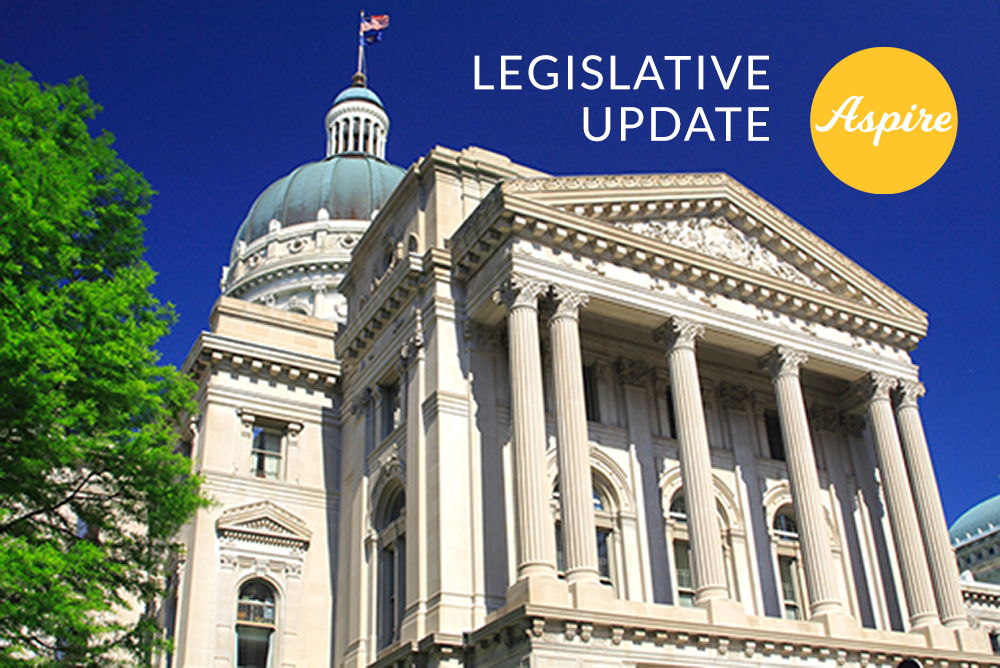
After an unusual and highly watched start, the 2026 Indiana General Assembly returned to the Statehouse on January 5 to begin the final eight weeks of the legislative session. While the early weeks of session departed sharply from the traditional legislative rhythm, lawmakers now turn their attention to the full slate of bills that will shape Indiana’s business climate in the year ahead.
The General Assembly officially convened on December 1 (a month earlier than is typical) following months of uncertainty over whether lawmakers would meet before the new year. The early start was driven entirely by a single issue: mid-cycle congressional redistricting.
Redistricting in Indiana traditionally occurs once every ten years, following the U.S. Census. However, House Bill 1032 proposed redrawing Indiana’s congressional maps mid-cycle, with the stated goal of making the state’s Democratic 1st and 7th Congressional Districts more Republican and potentially creating a 9-0 congressional delegation.
The House Elections Committee heard more than four hours of testimony and debate before advancing HB 1032 on an 8-5 vote that included bipartisan opposition. After more than three hours of floor debate, during which nearly every House Democrat spoke in opposition, the bill passed the full House 57-41.
The issue ended in the Senate on December 11, when senators rejected the bill by a 19-31 vote (Republicans split 19-21) after another lengthy floor debate. The vote capped five months of public discussion and came amid heightened national media attention, as Indiana found itself in the political spotlight. Despite the uncertainty surrounding attendance – given surgeries, travel plans, and the atypical calendar – all 50 senators were present for the vote.
The Senate’s decision provided welcome clarity for legislators, staff, and stakeholders alike. Both chambers quickly announced a three-week recess, pausing legislative activity for the holidays and setting January 5 as the return date.
While national attention is likely to shift elsewhere, many Statehouse observers have noted that the redistricting debate may have lasting impacts on relationships and dynamics within the legislature. How those effects play out remains to be seen as lawmakers now move into the heart of session.
Outside of redistricting, several policy conversations began to take shape in December and are expected to continue in the weeks ahead. Committees heard testimony on medical debt legislation, casino expansion proposals (Fort Wayne and potentially Indianapolis), and a proposal to further restrict cell phone use in schools from bell to bell. Most of these bills did not advance before recess, but they signal areas of policy activity that will resurface this month.
The recess period allowed the non-partisan Legislative Services Agency to complete drafting legislation for the 2026 session. Senate leadership has publicly indicated that redistricting will not reappear, clearing the way for lawmakers to focus on broader policy matters.
As the session continues, Aspire Johnson County will maintain an active presence at the Statehouse. Aspire’s advocacy efforts will center on its two 2026 legislative priorities – modernizing government systems and strengthening public safety – as key drivers of business confidence and economic growth.
At the same time, Aspire will closely monitor all legislation filed this session, working to advance bills that support business success while opposing proposals that could hinder economic development or impose unnecessary burdens on employers.
With less than eight weeks remaining, the pace of activity is expected to accelerate quickly. Aspire will continue providing updates and insights to help local business leaders stay informed as policy decisions take shape during the remainder of the 2026 Indiana General Assembly session.